Small breed
Norwich Terrier Puppies
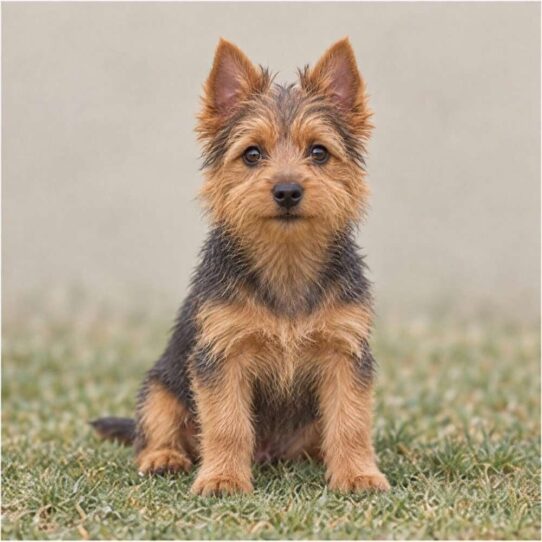
The Norwich Terrier is a dog that was specially bred for the purpose of hunting rodents. It is a friendly dog, but it is also the rarest terrier breed because of its low litter size and the high need for a cesarean birth. Usually, the Norwich Terrier comes in different colors such as grizzle (a mix of red and black hairs), black and tan, wheaten and red. Discover more about our Norwich Terrier puppies for sale below!
We do not have Norwich Terrier puppies on the floor today. Tell us what you are looking for and we will let you know the moment one arrives, or help you find a breed that suits your home just as well.
- Adult weight 10–12 lbs
- Height 9–10 in
- Lifespan 12–15 years
- Exercise 30 min a day
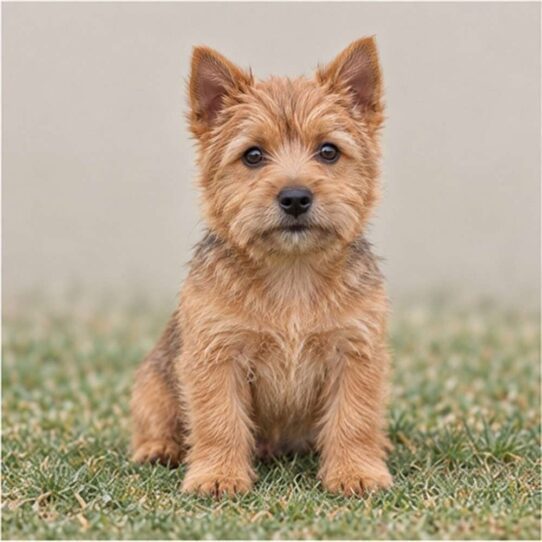
About the Norwich Terrier
The Norwich Terrier, with its charming personality and lively spirit, is a delightful choice for families looking to add a little joy to their home. Originally bred in England to hunt vermin, these small dogs have a history of being both spirited and affectionate companions. Their friendly nature makes them a great fit for families, and they thrive in environments where they can bond closely with their human counterparts, including young children and other dogs. While they can be somewhat reserved around cats, their playful energy ensures that they remain a lively presence in any household.
Read more about the Norwich Terrier Show less
With a moderate energy level, Norwich Terriers enjoy daily walks and playtime but are equally happy lounging around after some exercise. They adapt well to apartment living, making them ideal companions for families in urban settings. Grooming is a breeze, as a simple once-a-month brushing is typically all they need to keep their coats looking their best. Though they do shed more than some breeds, regular grooming helps to mitigate this and keeps things tidy.
Trainability is another strong suit of the Norwich Terrier. Intelligent and eager to please, they pick up commands and tricks fairly easily, but they do have a stubborn streak that requires a patient hand when training. Their affectionate demeanor and occasional barking make them effective watchdogs who will alert you to visitors while quickly warming up to friends and family. If you’re considering welcoming a Norwich Terrier into your home, Petland Oklahoma City & Tulsa is a great place to start your journey with these delightful little companions.
Norwich Terrier breed profile
Every score below is set by our team for this breed. Higher is simply more of that trait, not better or worse.
Temperament
-
Affection Very affectionate
-
Playfulness Very playful
-
With strangers Friendly
-
Territorial Very territorial
-
Prey drive High
Family & other pets
-
Young children Good
-
Older children Good
-
Other dogs Sociable
-
Cats Needs care
Energy & exercise
-
Energy High
-
Mental stimulation High
Training
-
Trainability Quick to learn
-
Intelligence Very bright
-
Stubbornness Biddable
Care & upkeep
-
Shedding Very heavy
-
Drooling None to speak of
-
Barking Vocal
Home life
-
Apartment living Good
-
Time alone Short periods
-
Cold weather Average
-
Warm weather Comfortable
A good match for
-
First-time owners Good first dog
-
Senior owners Good
-
Running partner Short distances
-
Hiking Good
-
Therapy work Good
-
Guarding Low
Living with a Norwich Terrier
Temperament & Family Fit
The Norwich Terrier is a delightful and spirited breed that brings joy to any family. Known for their affectionate nature, they thrive on human companionship, making them wonderful companions for both children and adults. They generally get along well with other dogs and can coexist with cats if properly introduced, making them an adaptable choice for various households.
Energy & Exercise
<pWith a lively energy level, the Norwich Terrier loves to play and explore, making regular exercise essential for their happiness. They can adapt well to apartment living, provided they receive daily walks and some spirited playtime in a secure area. A quick game of fetch or a romp in the yard will keep them satisfied and healthy!
Care & Grooming
The Norwich Terrier does require weekly grooming to maintain their charming appearance, as they have a somewhat scruffy coat that can shed quite a bit. Regular brushing not only helps minimize shedding but also gives you the chance to bond with your pup. Plus, it keeps them looking their best and helps you keep an eye out for any skin issues.
Training Notes
Training a Norwich Terrier can be a rewarding experience, as they tend to be eager to please and quite trainable. Positive reinforcement works wonders with their responsive nature, making learning fun for both you and your furry friend. Just keep in mind their barking tendency; consistent training will help them learn when it's appropriate to express themselves!
Caring for a Norwich Terrier
- Grooming
- Monthly brushing
- Grooming cost
- Low
- Monthly food
- Average
- Outdoor space
- Manages without a yard
- Allergy friendly
- Not considered hypoallergenic
Frequently Asked Questions
What is the size of a Norwich Terrier?
Norwich Terriers are small dogs, typically weighing between 10 to 12 pounds. Their compact size makes them a great choice for those living in apartments or smaller homes.
How energetic are Norwich Terriers?
Norwich Terriers possess a moderate energy level, registering around a 4 on the energy scale. They enjoy playtime and daily walks, so be prepared to engage them in fun activities!
How often do Norwich Terriers shed?
Norwich Terriers have a shedding level of 5, which means they do shed quite a bit. Regular grooming, at least weekly, will help keep their coat healthy and your home picked up.
Are Norwich Terriers good with children and other pets?
Yes, Norwich Terriers are known for their friendly demeanor and typically get along well with young kids and other dogs, both scoring a 4 in those areas. They can be a bit more selective with cats, so proper introductions are important.
How trainable are Norwich Terriers?
Norwich Terriers are quite trainable, with a score of 4 in that area. They are intelligent and eager to please, so consistent, positive reinforcement methods will go a long way in helping them learn commands and etiquette.